Flatbed Hire Huddersfield
Call +44 20 8154 5320

Huddersfield self-drive flatbed and dropside hire

Flatbed and dropside hire in Huddersfield, planned around your drop

Planning a flatbed or dropside job in Huddersfield? Start with the delivery point, then work back to the collection, the load size and the right vehicle. This page helps homeowners, trades and businesses check weights, licences and restraint before booking, so the hired vehicle suits the actual job.

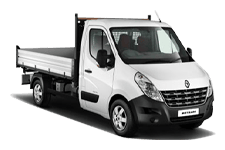
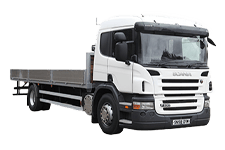
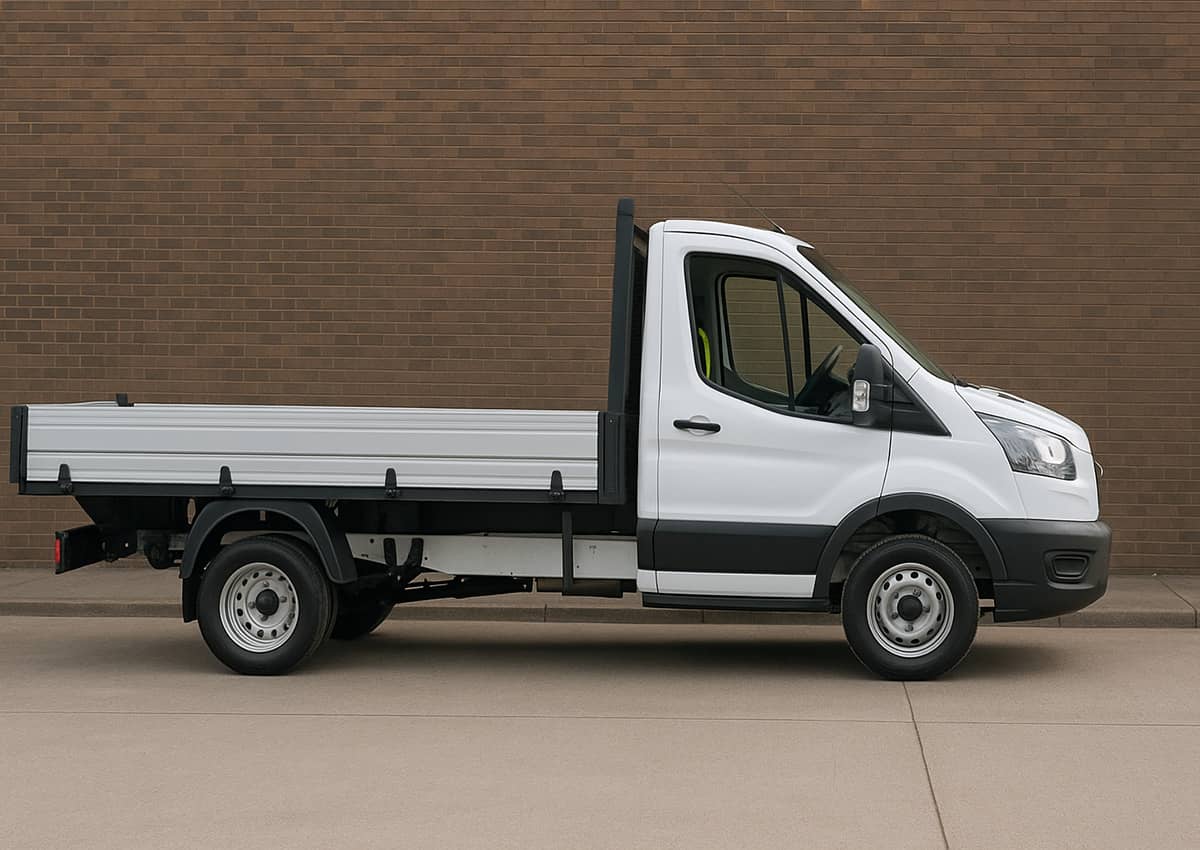
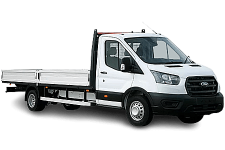
Representative flatbed truck; allocated vehicle must be confirmed

Speak to the flatbed booking team

+44 20 8154 5320

Choose from the load, not the badge

Flatbed and dropside options for Huddersfield

These are representative vehicle categories. Weight class is not cargo payload: the allocated vehicle’s actual payload, bed dimensions, equipment, driver requirements and availability must all be confirmed before booking.

3 metre dropside van hire category

Flatbed and dropside category

3 metre dropside van

A compact open-bed category with folding sides for trade loads and sites where a larger lorry would be awkward.

  • timber, fencing and boards
  • bagged or palletised materials
  • tools and smaller machinery
Cargo payload
1100 kg (representative)
Bed length
3 m (representative)

The published 1,100 kg figure is representative only. Confirm the allocated vehicle's payload, bed width and load restraint.

Enquire about this vehicle
4 metre dropside van hire category

Flatbed and dropside category

4 metre dropside van

A longer open-bed category for loads that need more deck length or side access than the shorter dropside.

  • long timber and pipe
  • palletised site supplies
  • event and landscaping materials
Bed length
4 m (representative)
Bed width
2 m (representative)

Published dimensions are representative. Confirm actual payload, body dimensions and overhang rules before booking.

Enquire about this vehicle
Dropside with tail lift hire category

Flatbed and dropside category

Dropside with tail lift

An open-bed option to discuss when a suitable tail lift may help with palletised or wheeled goods.

  • palletised loads
  • wheeled equipment
  • destinations without a loading dock
Bed length
4 m (representative)
Bed width
2 m (representative)

Tail-lift capacity is not vehicle payload. Confirm both figures, platform size, pallet-truck use and unloading surface.

Enquire about this vehicle
7.5 tonne dropside lorry hire category

Flatbed and dropside category

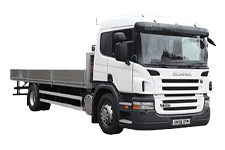
7.5 tonne dropside lorry

A larger dropside category for longer, heavier or multi-pallet loads when the route, driver and unloading plan suit a lorry.

  • scaffolding and pipe
  • multiple pallets
  • larger machinery and site supplies
Gross weight class
7.5 tonnes gross vehicle weight
Bed length
6 m (representative)
Bed width
2.35 m (representative)

C1 entitlement and possible commercial-use requirements apply. Confirm actual payload, bed dimensions and operating conditions.

Enquire about this vehicle
Phone-led matching
Discuss the load, route, access, driver and dates before a category is proposed.
Booking confirmation
Availability and final terms are confirmed during the booking process.
Address-level checks
Delivery and collection depend on the exact postcode, access and safe standing space.
Terms kept visible
Mileage, insurance, deposits and permitted use vary and must be checked for the hire.

Planning flatbed hire in Huddersfield

Hiring a flatbed or dropside in Huddersfield usually starts with a simple question: where is the load going, and what happens when you arrive? Whether you are a homeowner moving garden sleepers, a builder collecting boards or a business moving pallets between sites, the right vehicle depends as much on the unloading point as on the load itself.

This page follows the order most jobs take. First confirm the receiver's arrangements, then plan the collection, measure the load, and finally choose a vehicle whose plated weight, deck and equipment actually fit. Every figure shown for a vehicle category is representative. The supplier's confirmed booking documents and the plate on the allocated vehicle decide what you can carry.

Start with the receiver: deliveries inside a permit area

If you are dropping materials at a shop, workshop or office inside a Kirklees permit parking area, speak to the receiving business before you book. The council explains that business premises within a permit area may be able to apply for permits for visitors, including for deliveries. That is a possibility the business may or may not have taken up, and it is not an automatic right for a van or lorry to stop wherever it needs.

The council also says it may attach conditions to these permits, such as a limit on how long you can stay. So ask the receiver three things: whether a permit covers your visit, which vehicle it applies to, and how long it allows. Then plan backwards. If the allowed stay is short, a load that must be hand-balled off a flat deck may not fit the window, whereas a smaller drop, or a tail-lift vehicle met by a pallet truck, might. Always read the signs on the day, because they take priority.

Sources: Kirklees Council: permit types

Collecting materials from St Andrews Road

Plenty of Huddersfield trade runs begin at a builders' merchant. Jewson lists a branch on St Andrews Road, HD1 6PT, and that address is useful for route planning. It tells you nothing, though, about what is in stock, whether your order is ready, or how the yard handles open-bed vehicles.

Before setting off, contact the branch to confirm the order, the collection time and how goods will be loaded. Ask whether they load by forklift and from which side, because that affects whether a dropside with lowered sides suits better than a tail-lift body. Bring your own record of the order weight, not just the item count, so you can check it against the allocated vehicle's payload before anything goes on the deck.

Sources: Jewson: Huddersfield St Andrews Road

Measure the load before you choose a deck

Length is the measurement people most often get wrong. Measure the longest item rather than the pack it arrives in, and allow for bearers, pallets and a gap at the headboard. Representative dropside van categories run from roughly a 3 metre bed to roughly a 4 metre bed, with 7.5 tonne dropsides offering longer decks, but the real body dimensions of the vehicle you are given need confirming at booking.

If timber, pipe or scaffold tube will extend beyond the body, official DVSA and DfT guidance covers rear and side projections, including marking and situations that need advance notice. What applies depends on the measured overhang, so measure first and check the current guidance against that figure. Often the simpler answer is a longer deck that keeps everything inside the body. Record width and height too: a load that fits the bed can still block mirrors or sit well above the sides.

Sources: Nationwide Hire UK: 3 metre dropside, Nationwide Hire UK: 4 metre dropside, Nationwide Hire UK: 7.5 tonne dropside, DVSA and DfT: overhanging loads on vehicles

Matching dropside categories to real jobs

A 3 metre dropside suits fencing panels, bagged materials and tools, and it is easier to position on tight terraced streets or small sites. The 4 metre category helps when boards, pipe or landscaping materials need more length or better side access, while still being a light commercial vehicle.

A dropside with a tail lift is worth discussing when palletised or wheeled goods must come off where there is no forklift or dock. A 7.5 tonne dropside lorry suits multiple pallets, scaffolding or machinery when the route, driver and unloading point can take a lorry. The bigger deck comes with conditions: a different licence category, more careful street planning and possibly commercial-use requirements. If you cannot confirm those, a smaller vehicle making two trips may be the sensible choice.

Sources: Nationwide Hire UK: 3 metre dropside, Nationwide Hire UK: 4 metre dropside, Nationwide Hire UK: dropside with tail lift, Nationwide Hire UK: 7.5 tonne dropside

Gross weight, payload and loading equipment are separate figures

Three numbers matter and they are not interchangeable. Gross vehicle weight, also called maximum authorised mass, is the most the loaded vehicle may weigh, and it is normally shown on the plate or sticker. Payload is what remains for your goods after the vehicle's own weight, fuel, driver and passengers. A 3.5 tonne van does not carry 3.5 tonnes of materials.

The third number is the rating of any loading equipment. A tail lift has its own capacity, separate from the vehicle's payload, and a pallet that is fine to carry may still be too heavy for the lift. DVSA advises counting pallets and packaging, checking axle weights as well as the total, redistributing after partial drops and using a weighbridge when unsure. Ask the supplier for the allocated vehicle's payload and lift rating in writing.

Sources: GOV.UK: vehicle weights explained, DVSA: HGV overloading basics, Nationwide Hire UK: dropside with tail lift

Licence entitlement and hire conditions

A standard category B car licence generally covers vehicles up to 3.5 tonnes maximum authorised mass. Vehicles above 3.5 tonnes and up to 7.5 tonnes generally need category C1. Check the categories on each driver's current licence against the allocated vehicle's plate rather than the advertised class.

Suppliers usually add their own conditions on top of the law, such as minimum age, driving experience, insurance excess, deposits, mileage and permitted use. Published terms from other hire companies can show what kinds of clauses to look for, but only the terms in your own booking documents apply. Before paying, confirm who may drive, what the vehicle may carry and what happens if it comes back late or damaged.

Sources: GOV.UK: driving licence categories, Third-party reference: Nationwide Hire UK terms and conditions

Restraining the load and using the sides

Folding sides make loading easy, yet they are not a restraint system on their own. DVSA guidance says loads must be secured for transport with a system chosen for that load and vehicle, and that weight or friction alone is not enough. Before loading, check the platform, sides and anchorage points, and ask what restraint equipment, if any, comes with the hire rather than assuming straps are included.

Use rated anchorage points, never sheeting or rope hooks, and pick the method to suit the goods: straps for bundled timber, chocks for anything that can roll, friction matting under smooth pallets and the headboard against forward movement. When side loading by forklift, lower only the sides you need, keep people clear of the forks and re-close the sides before strapping. Stop and check restraints after the first few miles.

Sources: DVSA: securing loads on HGVs and goods vehicles, DVSA: load securing basics, DVSA: ways to secure a load

Unloading safely at the far end

HSE guidance on loading and unloading stresses clear, level ground, a vehicle standing as stably as possible, and arrangements agreed in advance. For a Huddersfield delivery that often means asking the receiver where you can stand, whether a slope or kerb will affect a tail lift, and who will be there to take the goods.

Before releasing any strap, check that nothing has shifted in transit, because a load leaning on a side can fall as soon as that side drops. Unload in an order that keeps the remaining load stable and keep pedestrians away from the working area. If the plan relies on the receiver's forklift or staff, confirm they will actually be available at your arrival time.

Sources: HSE: safe loading and unloading
Full truck range

Other vehicles to ask about

If an open-bed flatbed is not the right body type, the booking team can discuss these adjacent commercial categories. Every card is an enquiry category rather than a promise that a particular model is locally stocked.

3.5 tonne Luton box with tail lift hire category

Other vehicle category

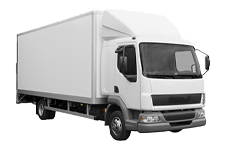
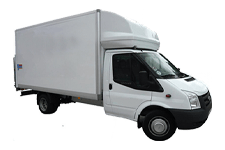
3.5 tonne Luton box with tail lift

Enclosed box-body category for bulky removals and deliveries where weather protection and assisted loading matter.

Confirm internal dimensions, payload and tail-lift capacity for the allocated vehicle.

Enquire about this vehicle
3.5 tonne tipper Transit hire category

Other vehicle category

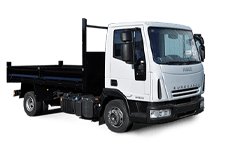
3.5 tonne tipper Transit

Compact tipping-body category for suitable loose materials and site work.

Waste carriage, destination acceptance, payload and tipping conditions must be confirmed.

Enquire about this vehicle
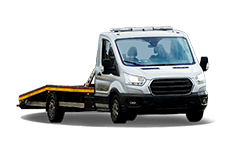
3.5 tonne recovery truck hire category

Other vehicle category

3.5 tonne recovery truck

Vehicle-transport category with a recovery bed and winch, subject to the carried vehicle's measured weight.

Confirm recovery use, bed rating, carried vehicle weight, licence and insurance before booking.

Enquire about this vehicle
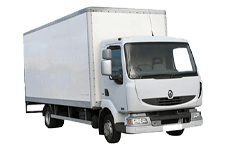
7.5 tonne box truck with tail lift hire category

Other vehicle category

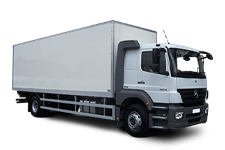
7.5 tonne box truck with tail lift

Larger enclosed-body category for commercial deliveries and removals with assisted loading.

Confirm C1 entitlement, payload, internal body dimensions and tail-lift capacity.

Enquire about this vehicle
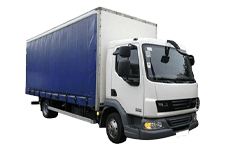
7.5 tonne curtainside truck hire category

Other vehicle category

7.5 tonne curtainside truck

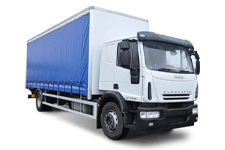
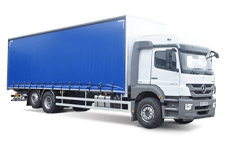
Curtainside body for side access to palletised goods while retaining weather protection.

Confirm C1 entitlement, payload, curtain/body dimensions and load restraint.

Enquire about this vehicle
7.5 tonne dropside truck hire category

Other vehicle category

7.5 tonne dropside truck

Open-sided lorry category for bulky building materials, timber and machinery.

Confirm C1 entitlement, actual payload, bed dimensions, route and unloading method.

Enquire about this vehicle
7.5 tonne tipper truck hire category

Other vehicle category

7.5 tonne tipper truck

Larger tipping-body category for appropriate aggregates, soil and site materials.

Confirm C1 entitlement, operator position, payload, waste rules and tipping-site conditions.

Enquire about this vehicle
7.5 tonne sleeper tail-lift truck hire category

Other vehicle category

7.5 tonne sleeper tail-lift truck

Longer-distance box or delivery category combining a sleeper cab and tail lift.

Confirm body type, sleeper provision, payload, tail-lift capacity and driver requirements.

Enquire about this vehicle
18 tonne box truck hire category

Other vehicle category

18 tonne box truck

Heavy enclosed-body category for larger commercial transport and distribution requirements.

Specialist heavy-vehicle licensing, operator, insurance and availability checks apply.

Enquire about this vehicle
18 tonne curtainside truck hire category

Other vehicle category

18 tonne curtainside truck

Heavy curtainside category for larger palletised or industrial loads needing side access.

Confirm payload, body dimensions, route restrictions and commercial operating requirements.

Enquire about this vehicle
26 tonne curtainside truck hire category

Other vehicle category

26 tonne curtainside truck

High-capacity rigid curtainside category for substantial commercial loads.

This is a specialist heavy-vehicle enquiry; confirm all operator, driver, route and payload conditions.

Enquire about this vehicle
44 tonne articulated truck hire category

Other vehicle category

44 tonne articulated truck

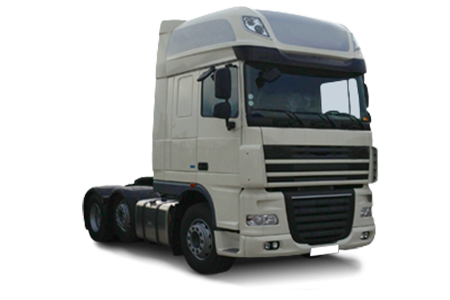
Articulated heavy-goods category for specialist large-scale freight and long-distance commercial work.

Specialist operator, driver, site-access, route, insurance and load-planning requirements apply.

Enquire about this vehicle

Quote checklist

Have the whole job ready

A useful quote begins with the measured load and both ends of the journey.

Flatbed hire questions for Huddersfield

Can I stop a dropside outside a business in a Huddersfield permit area to unload?

Only if the signs and the business's own arrangements allow it. Kirklees says business premises in a permit area may be able to apply for visitor permits for deliveries, and it may set conditions such as a time limit. Ask the receiver before you book rather than assuming a permit exists.

Will the St Andrews Road merchant in Huddersfield load my hired flatbed?

The listed address only helps with route planning. Contact the branch to confirm your order, the collection time and how goods are loaded, then check that the plan suits your vehicle's sides, deck and payload. Loading should take place on clear, level ground with arrangements agreed in advance.

Which dropside suits 4.8 metre timber collected in Huddersfield?

A representative 4 metre deck would leave the timber overhanging, so measure the actual projection and check the official overhang guidance, or look at a longer 7.5 tonne dropside if the driver has C1 entitlement. Always confirm the allocated vehicle's real bed length before booking.

Can I drive a 7.5 tonne dropside around Huddersfield on my car licence?

Generally not. Category B covers vehicles up to 3.5 tonnes maximum authorised mass, and vehicles above that up to 7.5 tonnes generally need C1. Check your licence and the vehicle's plate, and expect the supplier to apply its own age or experience conditions too.

Does a tail lift mean the dropside can carry heavier pallets?

No. The tail lift's rating and the vehicle's payload are separate figures, and neither is the gross vehicle weight. Confirm all three for the allocated vehicle, and make sure each pallet is within the lift rating as well as the payload.

Local sources and supporting guidance

Check current rules and the destination signs before travelling. Category specifications are examples, not allocated-vehicle guarantees.